Top 5 Must-Have Accessories for Every Equestrian Rider in 2025
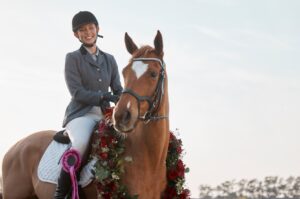 Equitation isn’t all hands and heels – the sport requires the right equestrian gear, too. Equestrian accessories serve a range of purposes, enhancing your horse’s performance and – most importantly – keeping you in the saddle comfortably and safely. What are the five best equestrian accessories every rider should have in 2025? Keep reading to find out.
1. Premium Bridles: The Backbone of Control
Well-made bridles help to establish proper communication between horse and rider. A strong, comfortable and stylish bridle allows you to easily focus on what’s most important: your ride. One of the best bridle brands available, you can trust in the consistently exceptional quality and design you’ll get from the CWD bridles line.
You need a bridle that both looks good and feels good while you’re using it, no matter if you’re training or competing. These bridles are ideal for the rider who refuses to compromise on quality or performance and demands the absolute best.
2. Versatile Saddle Pads for Comfort and Performance
A well-fitting saddle pad not only protects your horse’s back but ensures maximum performance through comfort for your horse during exercise. Look for lightweight and breathable saddle pads, made from technical materials with anti-slip properties for the best grip and stability. As a bonus, up-to-date and stylish pads allow you to always have the perfect look while riding.
3. Adjustable Stirrup Irons for Stability
Modern stirrup irons have a variety of benefits such as shock absorption and ergonomic treads developed to reduce the pressure on the joints of the rider. An adjustable stirrup iron offers even more flexibility, for any tall and short rider. This will help in maintaining a correct position while riding. This is equipment for every rider to maintain connection and won’t be tired easily during practice.
4. Protective Leg Boots for Your Horse
Leg boots help safeguard your horse’s legs from injury while exercising and are especially important for horses used in jumping and eventing. Choose from leg boots that are lightweight, durable and offer good shock absorption. They should fit snugly so that they can provide the best protection without restricting the horse’s movement.
5. Weather-Resistant Riding Jackets
All riders need a good riding jacket for those tough days outside or on the trail. Water-resistant jackets will keep you dry and warm throughout your time with your horse. Combine wind resistance, breathable material and pockets and you have a functional and fashionable riding jacket!
Spotlight on Equijump’s Exclusive Equestrian Gear
Equijump provides top-of-the-line equestrian equipment for riders and their horses who expect the best. Their commitment to quality and innovation can be seen through their collection of must-have CWD bridles. This product is the epitome of their belief that mastery and design can truly coexist.
Add Equijump products to your collection today & rest assured you are buying top-grade equestrian equipment!
Elevate Your Riding Experience
Investing in bespoke equestrian gear is about both improving your game and keeping you and your horse safe and comfortable as well. From quality CWD bridles to premium saddle pads, the right gear can mean the difference between an okay ride and an excellent ride. If you want to excel in your equestrian exploits, then you need reliable, good-looking and highly functional equestrian accessories to take you there!
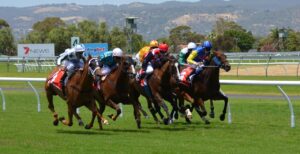 In the world of sports, talent and rigorous training are often highlighted as key components of an athlete’s success. However, one crucial element that underpins peak performance is nutrition. The dietary habits and nutritional strategies of top athletes play a pivotal role in their ability to perform, recover, and sustain their careers. This blog delves into the diets of elite sportspeople across various disciplines, uncovering the secrets behind their nutritional excellence.
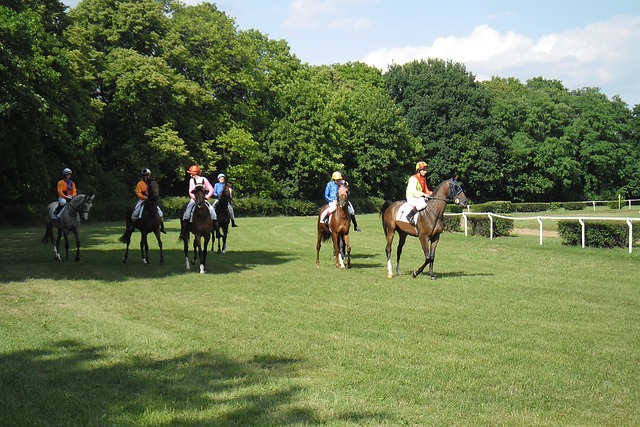 In recent years, the ‘Blue Riband’ event of the Cheltenham Festival, the Cheltenham Gold Cup, has been dominated by horses trained in Ireland. Indeed, in the last decade or so, Irish dominance has extended to the Festival as a whole. Since the traditional rivalry between British and Irish trainers became officially titled ‘The Prestbury Cup’ in 2014, the home team has been outscored 8-2, with all eight wins for the Irish coming in the last nine years, including by a record 23-5 margin in 2021.
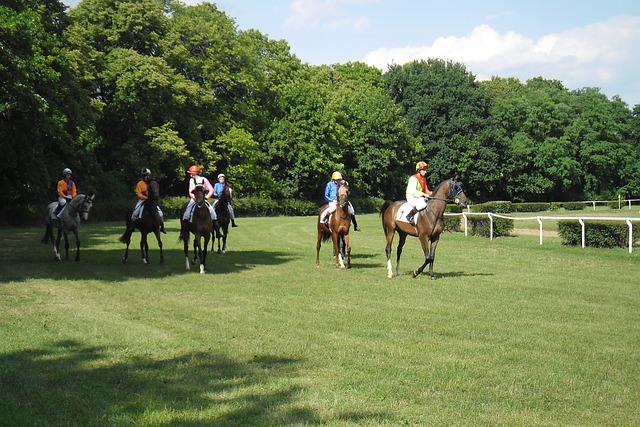 At the time of writing, Henrietta Knight remains a retired National Hunt trainer, best known for saddling Best Mate to a hat-trick of wins in the Cheltenham Gold Cup in 2002, 2003 and 2004. Based at West Lockinge Farm near Wantage, Oxfordshire, where she has been running a successful livery yard since her retirement from the training ranks, Knight was by no means a one-trick pony and, in fact, saddled over 700 winners between 1989 and 2012. At that stage, she relinquished her licence to help care for her ailing husband, former champion National Hunt jockey Terry Biddlecombe, who suffered a stroke in October 2011 and died in January 2014, at the age of 72, after a long illness.