What does ‘U’ or ‘UR’ mean in horse racing?
 In the same way as the abbreviations ‘P’ and ‘PU’ stand for ‘Pulled Up’ in horse racing form figures or detailed results in the form book, ‘U’ or ‘UR’ stands for ‘Unseated Rider’. It refers to a situation in which, for whatever reason, a horse parts company with its jockey, but does not, itself, lose its footing. If, on the other hand, horse does come to grief, of its own volition, or as the result of being impeded by a rival, this is denoted by ‘F’, for ‘Fell’, or ‘B’ or ‘BD’, for ‘Brought Down’.
Obviously, horses typically fall or are brought down at obstacles in National Hunt racing. Of course, they may also unseat rider as the result of a jumping error, but can also do so – albeit much less frequently – in Flat racing, as the result of stumbling, jinking or swerving or a tack failure, such as a slipping saddle.
Horses are herd animals, so a horse that has unseated its rider often continues to run ‘loose’ with the rest of the field, even as far as the finish line. Indeed, in the absence of the additional weight of a jockey, such a horse may well pass the winning post first, but, wherever it finishes, it is designated a non-finisher. Historically, in National Hunt racing, unseated jockeys were permitted to remount, if it was safe to do so, but the practice was banned by the British Horseracing Authority in November 2009.
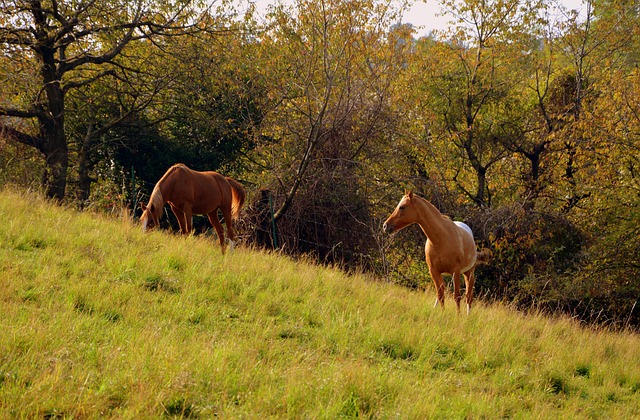 The life expectancy of a horse varies according to its breed, habitat, living conditions and the availability of food and medical care. There are no hard and fast rules but, generally speaking, the larger the horse, in terms of both height and weight, the shorter its lifespan.
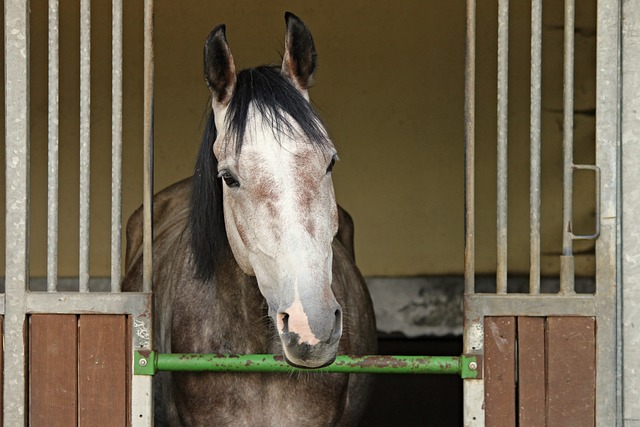 The term ‘horsebox’ is used generically to describe a variety of motor vehicles, such as lorries, vans and trailers, used for transporting horses. Obviously, it a wide-ranging term, covering models of different sizes and levels of complexity and correspondingly, an assortment of prices.
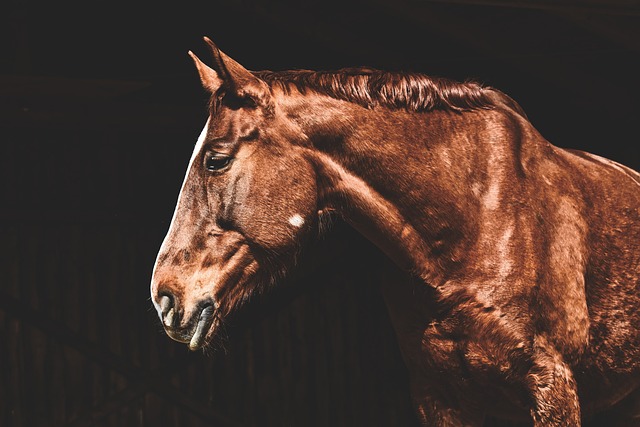 The short answer is yes, they do. Thoroughbred racehorses are elite equine athletes so, akin to their human counterparts, their diet is designed specifically to keep them fit, healthy and performing to the best of their ability. In terms of digestible energy or, in other words, the amount of energy in the diet that is absorbed, a typical racehorse requires approximately 35 megacalories (Mcal) or 35,000 kilocalories (kcal).