Has the Welsh Grand National always been held at Chepstow?
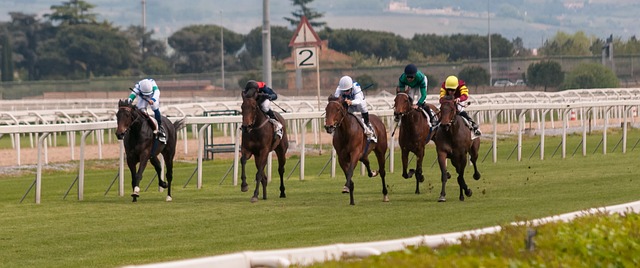 The short answer is no, it hasn’t. Nowadays run over three miles and six-and-a-half furlongs at Chepstow Racecourse on the day after Boxing Day, the Welsh Grand National has been the festive highlight at the Monmouthshire course since 1979. However, the race itself is much older, and has been staged at two other, long-defunct venues since its inauguration in 1895.
Indeed, even after being transferred to Chepstow in 1949, the Welsh Grand National was run on Easter Tuesday until 1969, and subsequently in February, before finding its current position in the calendar. December is the wettest month of the year in Monmouthshire, with a little over 5″ of rain, on average; five times since 2010 the Welsh Grand National has been postponed to the following January because of waterlogging.
The Welsh Grand National was established at Ely Racecourse, which is now Trelai Park, in the district of the same name in western Cardiff in 1895. There it remained until the closure of that course on April 27, 1939, four months before the outbreak of World War II, and after a nine-year hiatus was resurrected, briefly, at Newport Racecourse in 1948. Newport Racecourse, a.k.a. Caerleon Racecourse (it was actually situated in Caerleon, five miles or so from Newport city centre), staged the Welsh Grand National just once, on March 30, 1948, before it, too, closed later that year. The inaugural running at Chepstow, the following year, was won by Fighting Line, trained by Ken Cundell and ridden by none other than jockey-turned-author Dick Francis, later of Devon Loch fame.
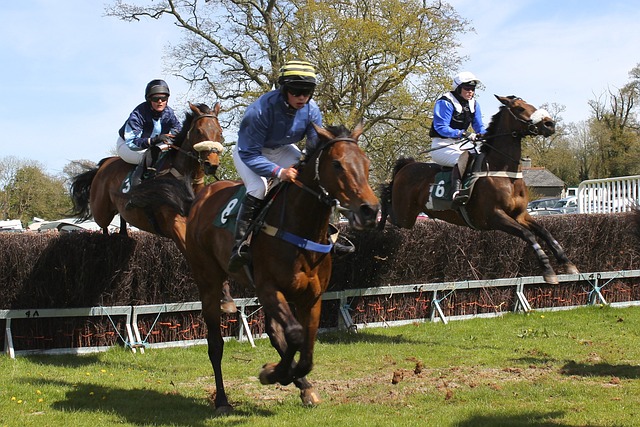
 Point-to-point is a form of grassroots steeplechasing, for horses, owned, trained and ridden, in Britain at least, by amateurs, who are members of an affiliated hunt. The sport is regulated by the British Horseracing Authority (BHA), but governed by the Point-to-Point Authority (PPA) and run at a local level by hunts or recognised clubs. Likewise, point-to-point meetings are staged on courses approved, but not licensed, by the BHA, of which there are nearly a hundred in Britain.
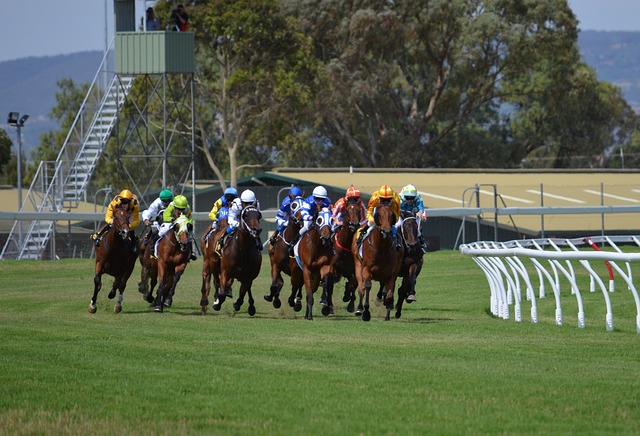 In short, the National Stud is a Thoroughbred horse breeding facility situated just outside Newmarket, Suffolk, between the Rowley Mile and the July Course, which collectively constitute Newmarket Racecourse. Aside from stud services, the National Stud, which covers 500 acres, provides education and training for anyone interested in the bloodstock and breeding industries.
 Transportation, in Britain, to Europe, or further afield can be a stressful experience for racehorses and, as such, is subject to a whole raft of rules and regulations. Some of them relate to transporting live animals, in general, and some of them relate specifically to transporting racehorses for commercial purposes.