Can racehorses overheat?
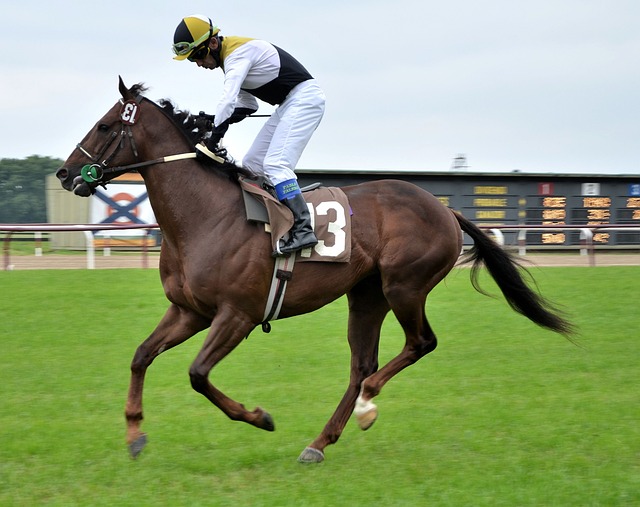 The short answer is yes, they certainly can. When performing strenuous exercise, especially on hot, humid days, racehorses may be pushed beyond the limits of their recovery mechanisms and suffer incidents of overheating. Otherwise known as extertional heat illness, heat stress or hyperthermia, overheating typically occurs immediately post-race and is characterised by obvious signs of distress, elevated heart and respiration rates and profuse sweating.
In extreme cases, overheating can put horses into a state of medical shock, such that their organs and cells, including muscle cells, stop functioning properly. Symptoms may include unpredictable behaviour and gait, stumbling, collapse and convulsion, but medical shock is a life-threatening condition, so racehorses with serious overheating should always be considered a veterinary emergency.
Sweating is a much less effective cooling mechanism in horses than in human beings, such that during the Summer – or, indeed, during unseasonably warm weather at other times of year – racecourses take precautions to prevent heat-related problems in horses. Such precautions include the provision of plentiful, easily accessible water supplies, for washing down and drinking, in all horse areas and, if possible, additional shaded cooling areas, available pre- and post-race. Indeed, many British racecourses have also installed high-pressure misting fans, which draw heat from the surrounding air and allow horses to cool more quickly during washing down.
The British Horseracing Authority (BHA) is unfraid to abandon racing altogether, on welfare grounds, if temperatures are deemed unsafe. In July 2022, for example, the BHA abandoned five fixtures, at Beverley, Windsor, Chelmsford, Southwell and Wolverhampton, after an extreme heat warning was issued by the Met Office.
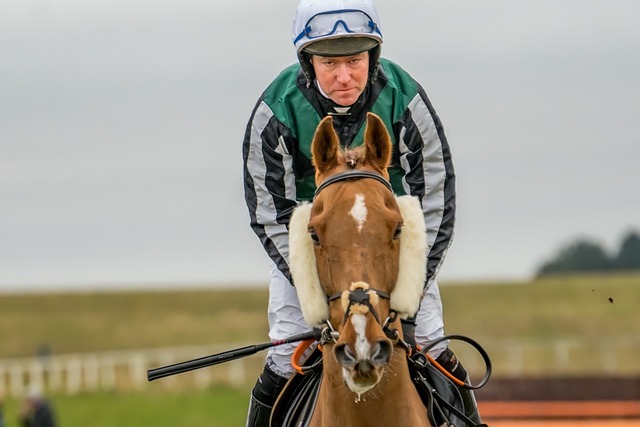 In short, Aintree racecourse. As the home of the world famous Grand National, Aintree Racecourse, on the outskirts of Liverpool, requires little introduction. Despite a raft to changes to the course, entry criteria and so on in recent years, the Grand National remains a tough, but fair, challenge for horse and rider and attracts an estimated audience of 800 million worldwide.
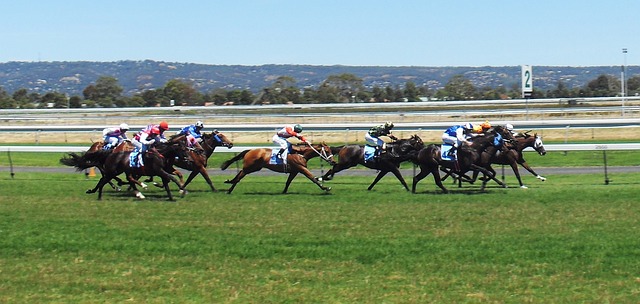 Affectionately known as ‘Headquarters’, Newmarket Racecourse, in Suffolk, is a world-famous sporting venue with a long, illustrious history dating back over three and a half centuries. Indeed, it was the ‘Merry Monarch, King Charles II who, in 1666, established the King’s Plate, which still exists as the Newmarket Town Plate, on the original Round Course. Nowadays, part of the Round Course is used just once a year for that historic race, but Newmarket is also home to two much better-known courses, the Rowley Mile and the July Course.
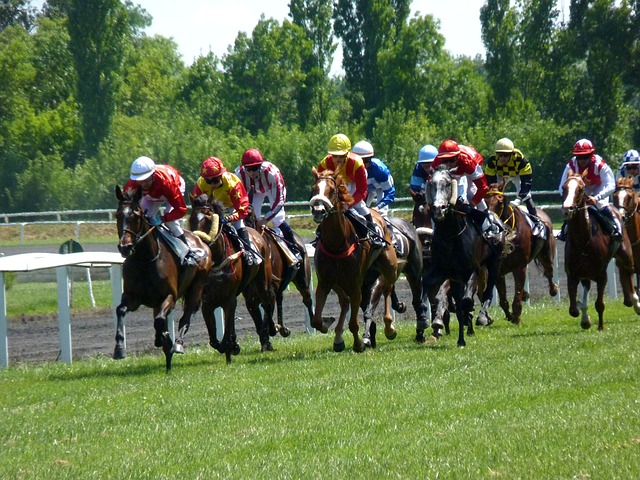 Like the Grand National itself, the Becher Chase is what the British Horseracing Authority (BHA) now terms a ‘Premier Handicap’ run over the iconic Grand National fences at Aintree. Indeed, like the sixth obstacle on the Grand National Course, Becher’s Brook, the race is named after pioneering steeplechase jockey Martin William Becher.