Which was the only horse to win both the Hennessy Gold Cup and the Grand National?
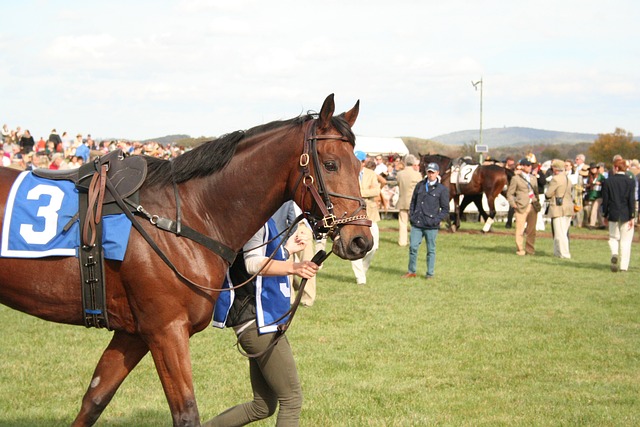 Arguably the most famous horse race in the world, the Grand National was founded in the first half of the nineteenth century, while the Hennessy Cognac Gold Cup did not come into existence until the second half of the twentieth century. The latter race still exists, as the Coral Gold Cup, run over three-and-a-quarter miles at Newbury in late November or early December, as it has been since 1960, but was actually established at Cheltenham in 1957. Hennessy ceased to be the title sponsor in 2016, so, strictly speaking, the Hennessy Gold Cup and the Grand National co-existed for sixty years.
In that period, just one horse won both races. That horse was the ill-fated Many Clouds, who tragically collapsed and died after winning the Cotswold Chase at Cheltenham in January 2017; an autopsy revealed that a severe pulmonary haemorrhage was the cause of his death.
Many Clouds carried the familiar yellow, green and white colours of the late Trevor Hemmings and was trained at Rhonehurst Stables in Upper Lambourn, Berkshire by Oliver Sherwood. Described by the latter as a ‘natural chaser’, the Cloudings gelding stayed on strongly to win the Hennessy Gold Cup on November 29, 2014 and followed up in the Cotswold Chase at Cheltenham on January 24, 2015. He disappointed in the Cheltenham Gold Cup in March, finishing a distant sixth behind Coneygree, but returned to winning form at Aintree the following month, winning the Grand National under 11st 9lb in the second fastest time ever.
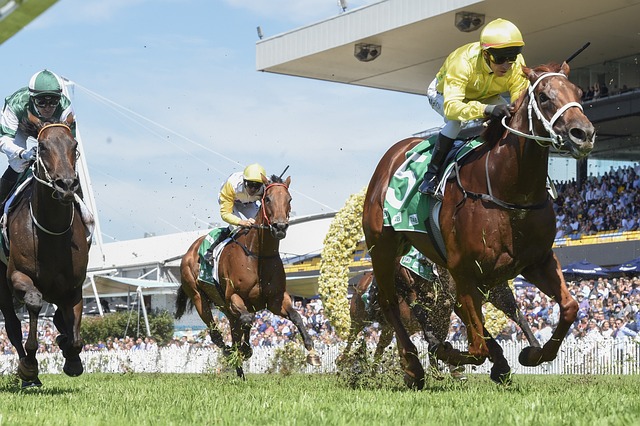 For readers unfamiliar with the exploits of Rooster Booster – and, in fairness, he did run his last race two decades ago – he was a popular grey gelding who won 10 of his 46 races under National Hunt Rules, but is best remembered for winning the Champion Hurdle at the Cheltenham Festival on March 11, 2003. Indeed, that was his second successive Festival success, having won the Vincent O’Brien County Handicap Hurdle the previous year, but ultimately proved to be the only Grade 1 victory of his career.
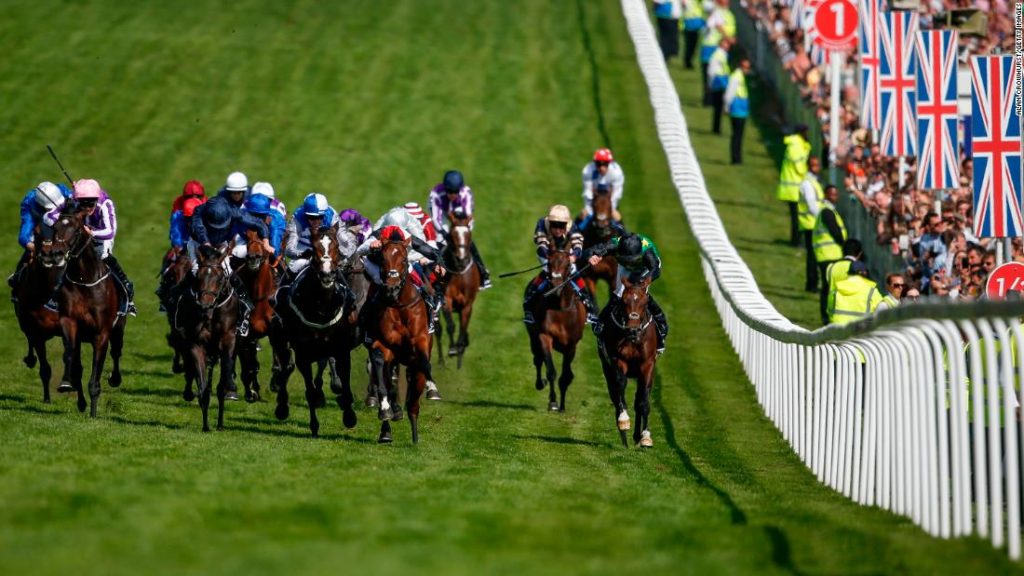 On November 2, 2024, Aidan O’Brien saddled Henri Matisse to victory in the Breeders’ Cup Juvenile Turf at Del Mar Racetrack in Southern California and, in so doing, drew level with American veteran Darrell Wayne Lukas as the most prolific trainer in the history of the Breeders’ Cup. Of course, O’Brien did not become private trainer to John Magnier and his Coolmore associates at Ballydoyle Stables in County Tipperary until 1996, but has essentially been trying, and failing, to win the Breeders’ Classic since 2000.
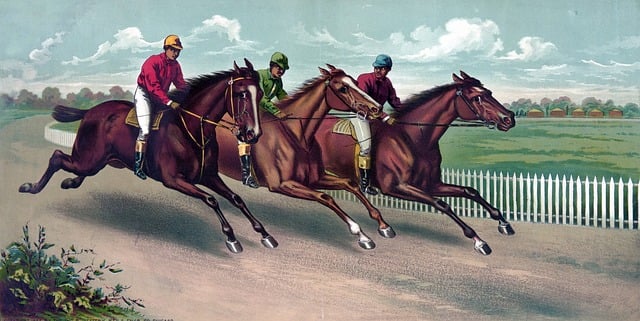 In reality, Ras Prince Monolulu, whose real name was Peter Mckay, was born on St. Croix in the United States Virgin Islands, in the Caribbean Sea, on October 26, 1881. Nonetheless, he claimed to be a chief of the Falashas, a tribe of black Jews in Abyssinia, as Ethiopia was historically known, and styled himself as such, in brightly colourful robes, a plumed, ostrich-feather headdress.