When, and where, was the inaugural Breeders’ Cup?
 The 2024 Breeders’ Cup World Championships is due to be held at Del Mar Racetrack in Southern California in early November and, as is customary, will be a two-day, season-ending spectacle, featuring the crème de la crème of thoroughbred talent not just from North America but from around the world .
The Breeders’ Cup was, in fact, the brainchild of visionary thoroughbred pioneer John R. Gaines, who on April 23, 1982 announced plans for a year-end championship day of racing, at a major venue, in an effort to sell the sport to the general public. The inaugural Breeders’ Cup – a one-day, seven-race affair, but nonetheless worth $15 million in total prize money – was duly staged at the now-defunct Hollywood Park Racetrack in Inglewood, California on November 10, 1984.
The Breeders’ Cup has since been staged annually at various iconic venues across North America, all bar one of which have been in the United States, and in 2007 was extended to two days. The current programme features 14 Grade 1 races, in a variety of disciplines and age ranges, on dirt and turf, each worth $1 million and, collectively, worth $28 million. The so-called Breeders’ Cup Challenge series consists of qualifying “Win & You’re In” races across the United States and around the world, each offering automatic, free entry into the corresponding Championship race. In Britain, for example, both the Prince of Wales’s Stakes and the King George VI and Queen Elizabeth Stakes at Ascot offer automatic entry into the Breeders’ Cup Turf.
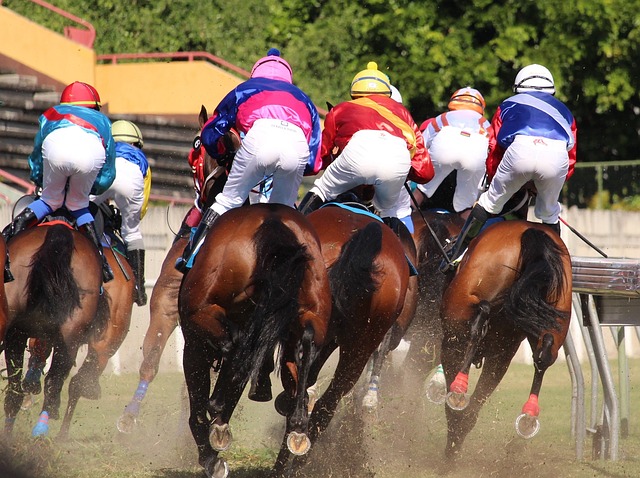 Now in its forty-first year, Breeders’ Cup World Championships have evolved into a two-day, 14-race extravaganza, worth $34 million in purses and awards. Of all 14 races, the most prestigious and valuable is the Breeders’ Cup Classic, run over a mile and a quarter, on dirt, open to horses aged three years and upwards and worth $7 million in total prize money. Indeed, the Breeders’ Cup Classic arguably rivals the Kentucky Derby, which, despite recent increases in prize money, is still worth only $5 million, as the most prestigious American horse race.
 Not to be confused with the Grade I listed building in Highclere, Hampshire, as far as horse racing is concerned, Jackdaws Castle is a state-of-the-art training establishment in the village of Temple Guiting, in the heart of the Cotswolds, in Gloucestershire, South West England. Jackdaws Castle was purpose-built by millionaire property developer and racehorse owner Colin Smith in the early nineties and owned by his company, Ford Farm Racing.
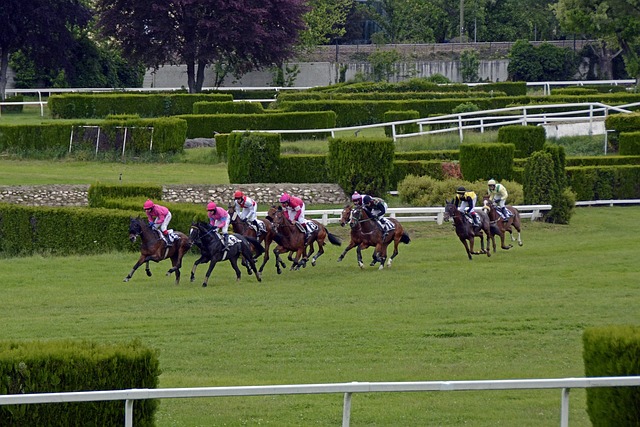 At the time of writing, Jockey Club Racecourses (JCR), which owns Cheltenham Racecourse, has recently announced a raft of changes to the Cheltenham Festival, with the aim, it says, of making racing “more competitive and compelling”. Arguably the most contentious change comes to the oldest race run at the Festival, the National Hunt Chase. The traditional “four-miler”had already been shortened by two furlongs following a controversial renewal in 2019, which also saw changes to the qualification criteria for horses and jockeys.